Content Production & Multimedia Training
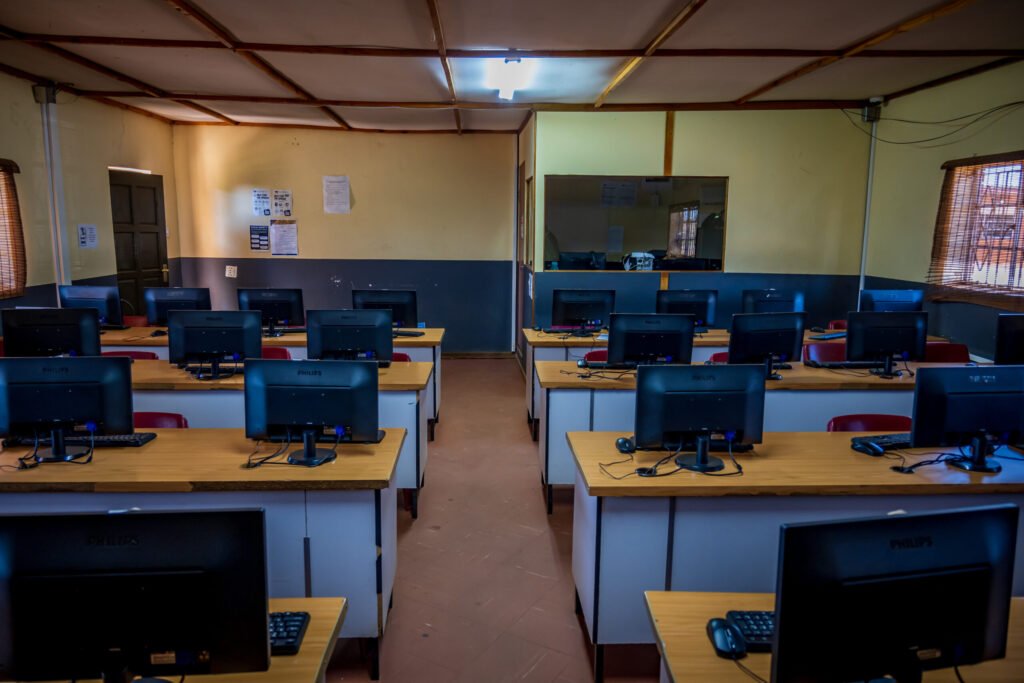
The Content Production & Multimedia Training course is a practical, skills-based program designed to equip young people with modern digital competencies that can directly translate into employment, freelance work, and entrepreneurial opportunities in the creative and digital economy.
The training focuses on hands-on learning, where participants are actively engaged in producing real digital content rather than only studying theory. By the end of the course, learners are able to conceptualize, design, produce, and publish professional-quality multimedia content tailored for different platforms and audiences.
A key component of the program is social media content creation, where participants learn how to develop engaging posts, short-form videos, and digital campaigns for platforms such as Instagram, TikTok, Facebook, and YouTube. They gain an understanding of audience engagement, storytelling, content planning, and basic digital marketing principles that help content reach and influence target audiences.
The course also includes graphic design training, where learners are introduced to design principles such as typography, color theory, composition, and branding. Using industry-standard tools, participants are trained to create logos, posters, flyers, social media visuals, and marketing materials that meet professional standards required by businesses and organizations.
In addition, participants are trained in motion graphics and animation, enabling them to bring static designs to life through movement, transitions, and visual effects. This skill is increasingly in demand for advertisements, promotional videos, explainer content, and online branding campaigns. Learners develop the ability to use animation software to produce visually compelling digital content.
Through multimedia production workflows, participants also learn how to combine different digital elements audio, video, graphics, and text to produce complete content packages. This includes basic video editing, sound integration, scripting, and storyboarding, which are essential skills for professional content creation.
Overall, the training is designed not only to build technical ability but also to encourage entrepreneurship and income generation. Graduates of the program can work as freelance content creators, social media managers, graphic designers, animators, or start their own digital media businesses. They are also equipped to support businesses, NGOs, and institutions in improving their online presence and communication strategies through high-quality multimedia content.
The course also includes graphic design training, where learners are introduced to design principles such as typography, color theory, composition, and branding. Using industry-standard tools, participants are trained to create logos, posters, flyers, social media visuals, and marketing materials that meet professional standards required by businesses and organizations.
In addition, participants are trained in motion graphics and animation, enabling them to bring static designs to life through movement, transitions, and visual effects. This skill is increasingly in demand for advertisements, promotional videos, explainer content, and online branding campaigns. Learners develop the ability to use animation software to produce visually compelling digital content.
Through multimedia production workflows, participants also learn how to combine different digital elements audio, video, graphics, and text to produce complete content packages. This includes basic video editing, sound integration, scripting, and storyboarding, which are essential skills for professional content creation.
Overall, the training is designed not only to build technical ability but also to encourage entrepreneurship and income generation. Graduates of the program can work as freelance content creators, social media managers, graphic designers, animators, or start their own digital media businesses. They are also equipped to support businesses, NGOs, and institutions in improving their online presence and communication strategies through high-quality multimedia content.